
Ayurvedic hair care is the use of herbs, oils, and simple routines - drawn from the traditional Indian medical system of Ayurveda - to clean, condition, and support the scalp and hair. In practice that means herbal cleansers instead of sulfate shampoo, herb-infused rinses instead of silicone conditioner, and a weekly rhythm built around scalp massage rather than a daily product stack.
This guide is for anyone who wants to try that approach without wading through marketing copy. It covers the herbs that actually show up in the research, what an Ayurvedic shampoo is (and isn't), how to condition the traditional way, and where the real limits are - including when a scalp or hair problem needs a doctor, not a herb.
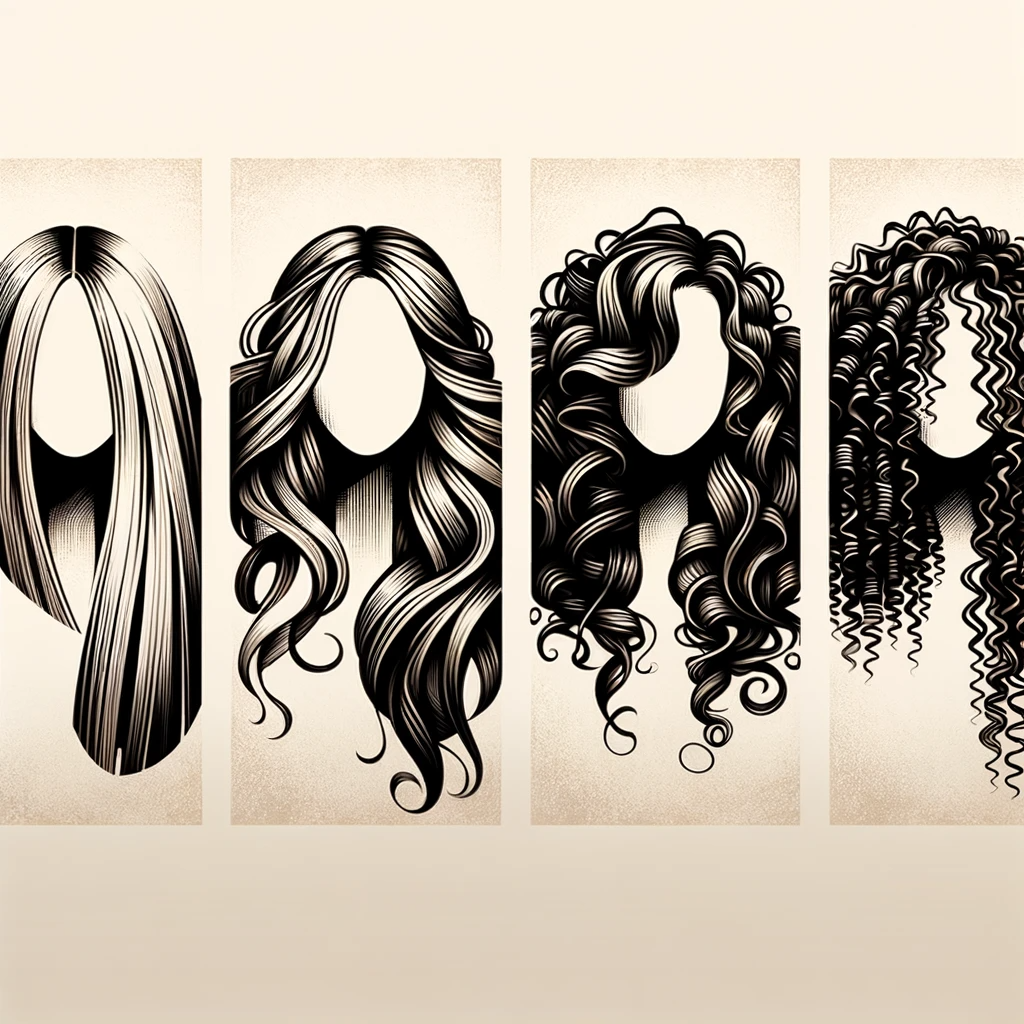
Hair and the doshas, briefly
Ayurveda explains hair and scalp tendencies through the three doshas - Vata, Pitta, and Kapha. This is a traditional framework, not a diagnostic system, and it's worth being upfront about that before using it to shop.
- Vata tendencies show up as dry, frizzy, thin hair prone to split ends. Hydrating oils and herbs like bhringraj and amla are the traditional match.
- Pitta tendencies show up as fine hair with early thinning or premature graying, often with a hot, sensitive scalp. Cooling herbs like brahmi and neem are traditionally preferred.
- Kapha tendencies show up as thick, oily hair with a heavier scalp. Lighter, purifying ingredients - and less frequent oiling - suit this pattern.
If you don't know your constitution, a short dosha quiz is a reasonable starting point. Treat the result as a preference filter for ingredients, not a medical assessment.
The herbs that matter for hair
A small set of herbs does most of the real work in Ayurvedic hair care. The rest is mostly variation on these.
| Herb | Traditional role | What the evidence actually shows |
|---|---|---|
| Bhringraj | The primary "hair herb" (keshya) | Two rodent studies show accelerated hair growth from topical extract. No human trial yet. |
| Amla | Growth, shine, anti-graying | High in vitamin C and polyphenols; plausible antioxidant mechanism; some human trial support for the whole fruit's health effects, not hair-specific. |
| Brahmi | Calming, scalp support | Best evidence is cognitive/stress-related, not follicular. The calming scalp massage may matter as much as the herb. |
| Neem | Dandruff, itchy scalp | Antimicrobial and antifungal activity is well documented and mechanistically relevant to dandruff (a yeast-driven condition). |
| Fenugreek | Conditioning, slip and shine | The mucilage effect on hair strands is straightforward chemistry. Hair-growth claims have no human trial evidence - animal and in vitro only. |
| Hibiscus | Conditioning, traditional keshya herb | One frequently cited animal and cell-culture study on hair growth. No human RCT yet. |
Shikakai and reetha (soapnut) are the traditional cleansing herbs behind Ayurvedic shampoo, covered in the next section.
Ayurvedic shampoo: what it is and how to use it
"Ayurvedic shampoo" covers two different things sold under one label, and the difference matters.
Herbal cleansing powders are the traditional form: dried, ground shikakai, reetha (soapnut), and amla, sometimes with a small amount of neem or hibiscus. Mixed with water into a paste, they produce a mild, low-foam lather that cleans without the surfactants found in conventional shampoo. Shikakai in particular is a gentle saponin-based cleanser - it doesn't strip the scalp's natural oils the way sulfates can, which is the actual mechanism behind "gentler cleansing," not a mysterious Ayurvedic property.
Bottled "Ayurvedic" shampoo is a liquid shampoo formulated with some of the same herbs as active or marketing ingredients, built on a modern surfactant base. Many of these are genuinely sulfate-free and reasonably gentle; some just borrow the word "Ayurvedic" for the label. Read the ingredient list - if a herb is named prominently and near the top, it's a real ingredient. If it's buried after a long list of synthetic surfactants and fragrance, the herb is doing very little.
Sulfate-free, in context. Sulfates clean effectively but can strip natural scalp oils, which is a real issue for dry or sensitive scalps and for chemically treated hair. That's a genuine reason to prefer a gentler formula. It is not evidence that sulfates cause hair loss or damage on their own - for most people with an oily or normal scalp, sulfate shampoo used at a reasonable frequency is not harmful.
How to choose:
- If you want the traditional method, start with a shikakai-reetha-amla powder from a seller who lists proportions, not just "Ayurvedic blend."
- If you want convenience, look for a sulfate-free liquid shampoo with herbs named specifically and high in the ingredient list.
- Either way, expect less foam than a conventional shampoo. That's the absence of harsh surfactants, not a sign the product isn't working.
Honest limits. Herbal powders take longer to rinse clean, can leave a slight residue if not worked through thoroughly, and don't remove heavy styling product as effectively as a conventional clarifying shampoo. If you use a lot of styling product, an occasional conventional wash is a reasonable trade-off rather than a failure of the Ayurvedic approach.
Conditioning the Ayurvedic way
Traditional Ayurvedic conditioning skips silicone-based conditioner in favor of herb pastes and rinses that coat and smooth the hair shaft directly.
Fenugreek paste. Soak a tablespoon of fenugreek seeds overnight, then blend into a paste. The soaked seeds release a slippery mucilage that coats the shaft, improving slip and reducing breakage while combing. This is straightforward plant chemistry - it does not require dosha matching to work, and it's one of the more reliably useful DIY treatments in this list.
Hibiscus rinse or paste. Hibiscus flowers and leaves, blended into a paste or steeped as a rinse, are a classical conditioning and shine treatment. Combine with a small amount of yogurt or aloe vera gel for a smoother application.
Amla rinse. A strong amla tea, cooled and used as a final rinse after shampooing, is a light, low-effort way to add shine without a heavy paste.
Aloe vera gel. Fresh or bottled aloe vera gel, applied to damp hair for ten to fifteen minutes before rinsing, is hydrating and easy to tolerate even on sensitive scalps.
A simple method that works for most of these: mix the paste or gel, apply through mid-lengths and ends (not scalp-heavy, unless you're deliberately treating the scalp), leave for 20-30 minutes, then rinse thoroughly. Once a week is a sensible starting frequency - more often if your hair is very dry, less if it's fine or oily.
Hair oiling, briefly
Oiling the scalp with herb-infused oil - bhringraj and amla in a coconut or sesame base, traditionally - is the other pillar of Ayurvedic hair care, and it deserves more space than fits here. The short version: it's genuinely useful for reducing breakage and protein loss during washing, plausible but unproven in humans for regrowth, and worth doing about twice a week rather than daily. For the full picture - which herbs matter, how to apply it, and an honest read of the evidence, including where a non-Ayurvedic option (rosemary oil) actually has the stronger human trial data - see the dedicated guide to Ayurvedic hair oil.
A simple weekly routine
This is a reasonable starting template - adjust frequency to your hair type and how your scalp responds.
- Twice a week: Oil the scalp with a bhringraj or amla oil, massage for five to ten minutes, leave on for at least 30 minutes, then shampoo out.
- Wash days (2-3x/week): Use a shikakai-based powder or a sulfate-free herbal shampoo. Follow with a fenugreek or hibiscus conditioning treatment once a week, an amla rinse on the other wash days if you want something lighter.
- Ongoing: Eat a diet with adequate protein, iron, and B vitamins - hair health tracks overall nutrition more than any topical product - and manage stress where you can, since chronic stress is a documented contributor to shedding.
- Patch test any new herb or oil on a small area before full use, especially if you have sensitive skin.
Consistency matters more than intensity here. Hair grows roughly a centimeter a month, so give any routine three to four months before judging whether it's working.
When to see a doctor instead
Hair loss and scalp problems often have medical causes that no herb addresses: thyroid disease, iron deficiency, hormonal shifts, androgenetic alopecia, and autoimmune conditions like alopecia areata all present as hair thinning or loss, and all of them have real, effective treatments. Sudden shedding, patchy loss, a widening part, or hair loss alongside fatigue, weight change, or scalp pain warrants a proper medical assessment - not a longer ingredient list.
This site does not diagnose. Ayurvedic hair care can reasonably support scalp comfort and hair condition alongside proper care, but it is not a substitute for finding out what's actually causing a persistent problem.
Frequently asked questions
Is Ayurvedic hair care effective? Some parts have real support - coconut oil reducing protein loss, antimicrobial herbs helping with dandruff - and some parts are traditional practice without human trial evidence behind them, particularly claims about regrowing lost hair. Treat individual claims on their own merits rather than accepting the category as a whole.
How do I figure out my hair type or dosha? Dosha is a traditional constitutional framework, not a lab test. A short quiz or simple self-assessment against the Vata/Pitta/Kapha descriptions above is the usual starting point; it's a preference guide for choosing ingredients, not a diagnosis.
Are there side effects to Ayurvedic hair products? Generally low risk since the ingredients are food-grade herbs and common carrier oils, but allergic reactions are possible with any plant material. Patch test new products, and stop if your scalp reacts badly - oil in particular can worsen conditions like seborrheic dermatitis.
How long before I see results? Three to four months of consistent use is a realistic timeframe for most claims - conditioning improvements can show sooner since that's about hair condition, not growth.
Can I combine Ayurvedic hair care with regular products? Yes. Many people use a herbal oil treatment or occasional herbal wash alongside a regular shampoo and conditioner routine. There's no requirement to go all-in for either approach to add value.
Is it safe on color-treated hair? Generally yes, with two caveats: henna will alter hair color and shouldn't be used on color-treated hair without understanding that, and oiling before washing can accelerate color fade slightly. Patch test and check ingredient lists if you're unsure.
Sources
- Roy RK, Thakur M, Dixit VK (2008). "Hair growth promoting activity of Eclipta alba in male albino rats." Archives of Dermatological Research 300(7): 357-364. doi:10.1007/s00403-008-0860-3
- Datta K, Singh AT, Mukherjee A, Bhat B, Ramesh B, Burman AC (2009). "Eclipta alba extract with potential for hair growth promoting activity." Journal of Ethnopharmacology 124(3): 450-456. doi:10.1016/j.jep.2009.05.023
- Variya BC et al. (2016). "Emblica officinalis (amla): A review for its phytochemistry, ethnomedicinal uses and medicinal potentials." Journal of Ethnopharmacology 197: 250-278.
- Adhirajan N, Ravi Kumar T, Shanmugasundaram N, Babu M (2003). "In vivo and in vitro evaluation of hair growth potential of Hibiscus rosa-sinensis Linn." Journal of Ethnopharmacology 88(2-3): 235-239. doi:10.1016/S0378-8741(03)00231-9
- Allam AT, El-Shiekh RA, El-Dessouki AM, Gamil NM, Eisa NM, Ayoub MM, Khallil WAM, Farag MAN, Attallah MG, Hafeez MSAEL, Abou-Hussein D (2025). "Pathophysiology, conventional treatments, and evidence-based herbal remedies of hair loss with a systematic review of controlled clinical trials." Naunyn-Schmiedeberg's Archives of Pharmacology 398(12): 16311-16354. doi:10.1007/s00210-025-04286-6
- Alzohairy MA (2016). "Therapeutics Role of Azadirachta indica (Neem) and Their Active Constituents in Diseases Prevention and Treatment." Evidence-Based Complementary and Alternative Medicine 2016: 7382506.
Sources 1 and 2 are animal studies on bhringraj. Source 4 is an animal and cell-culture study on hibiscus. No randomized controlled trial in humans has been published for bhringraj, fenugreek, or hibiscus as hair-growth treatments; source 5 is cited to establish that absence directly. Source 3 concerns amla's general phytochemistry, and source 6 concerns neem's antimicrobial activity relevant to dandruff.